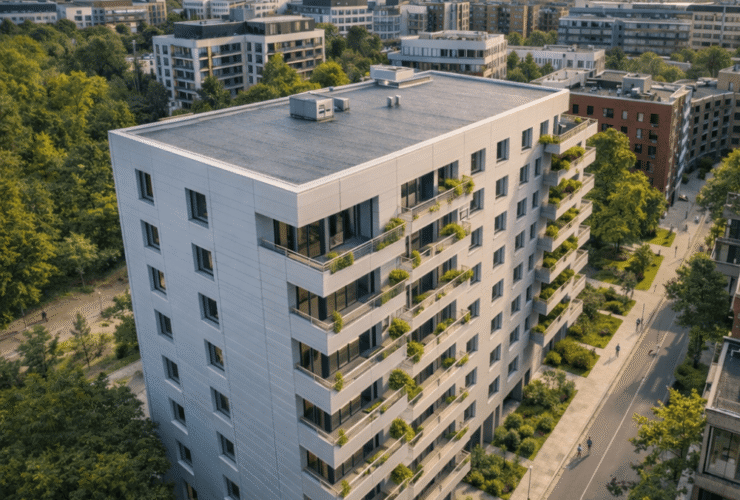
Today, sustainability in the construction industry is no longer limited to energy efficiency alone. The longevity of structures, low maintenance requirements, and efficient use of resources are all key components of a sustainable building approach. In this context, waterproofing systems play a critical role in enhancing both the durability and environmental performance of buildings.
Among these, polyurethane membrane waterproofing is increasingly preferred thanks to its high performance and the advantage of manual application, which eliminates the need for complex machinery.
What is Polyurethane Membrane Waterproofing?
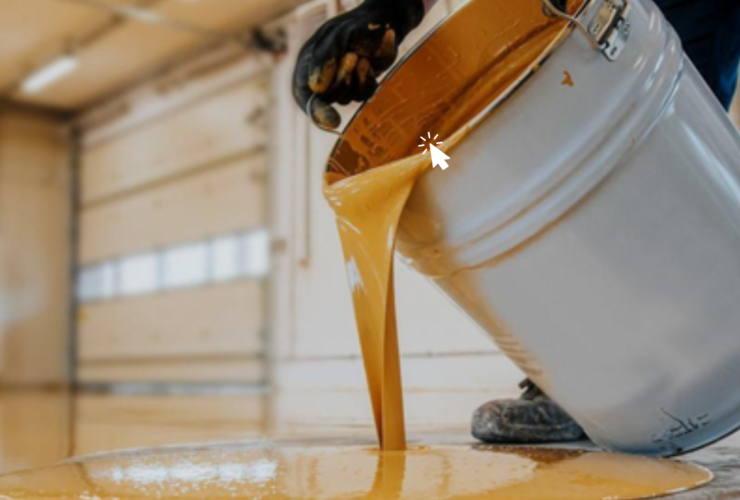
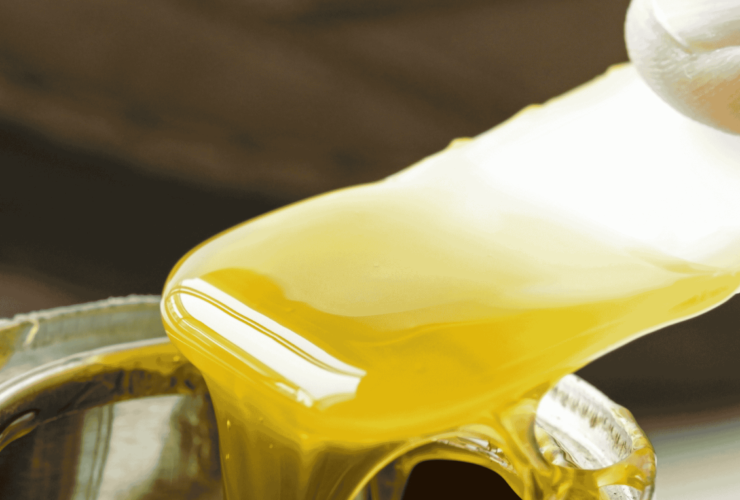
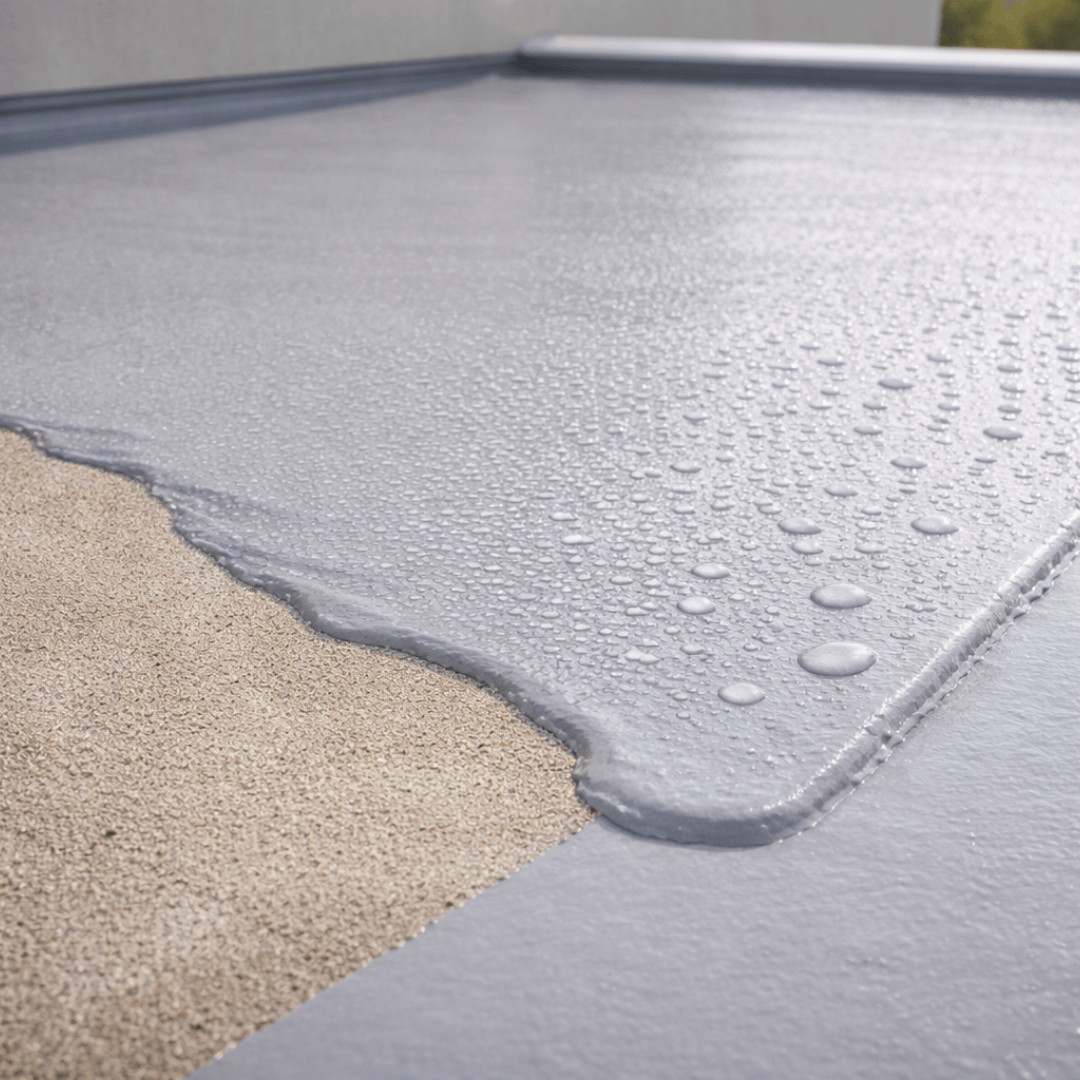
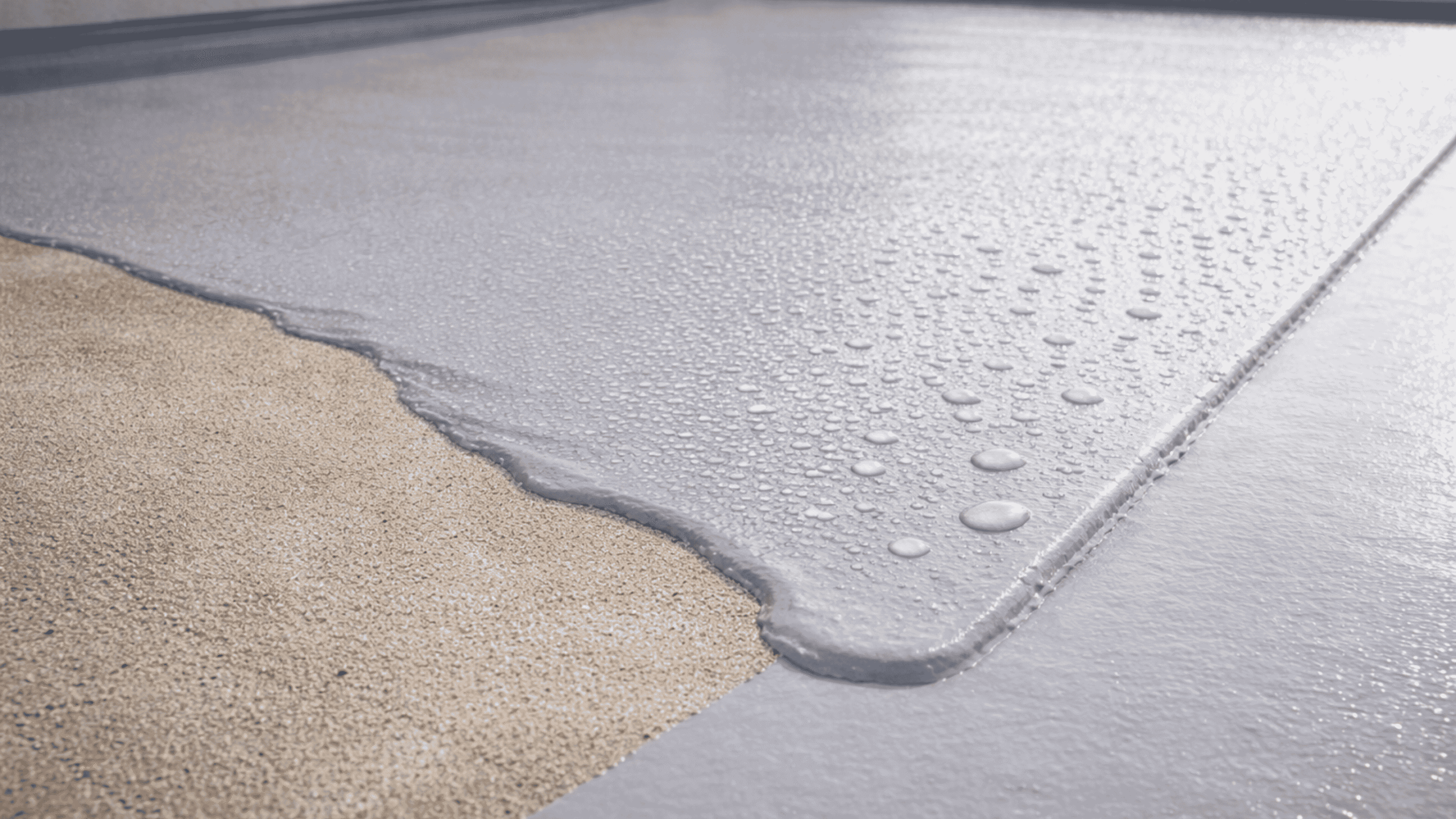
Polyurethane membrane is a liquid-applied insulation system that cures to form an elastic and fully waterproof layer. Once applied, it creates a seamless membrane that requires minimal maintenance over the long term.
Thanks to these properties, polyurethane membranes provide effective solutions in a wide range of applications, including:
- Terrace and roof waterproofing
- Balconies and wet areas
- Foundation and retaining wall insulation
- Drainage systems and gutters
Its flexible structure allows it to accommodate structural movements, significantly reducing the risk of water leakage.
Application Advantage Without Machinery Investment
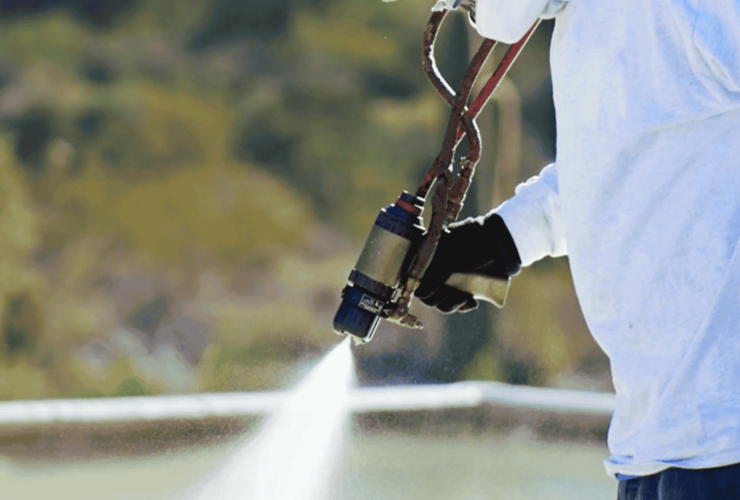
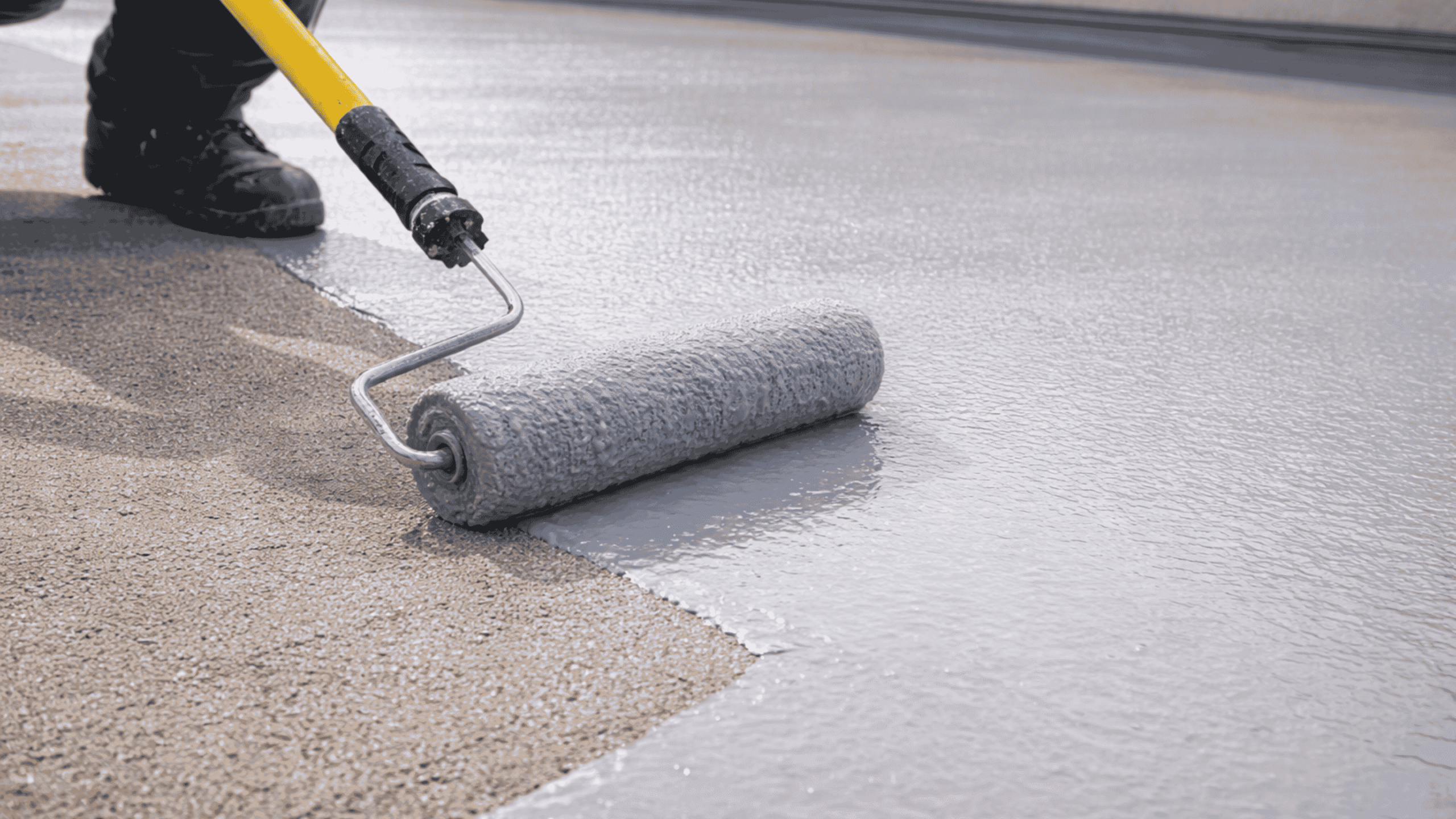
Many waterproofing systems require specialized equipment or complex machinery during application. However, one of the key advantages of polyurethane membranes is that they can be applied manually.
These systems can typically be installed using simple tools such as rollers, brushes, or trowels.
Machine-free application offers several benefits:
- No need for high equipment investment
- Cost-effective solution for small and medium-sized projects
- Faster application process
- Easy adaptation to different surfaces
This makes polyurethane membrane systems particularly practical and flexible under real construction site conditions.
Flexible and Practical Solutions with Manual Application
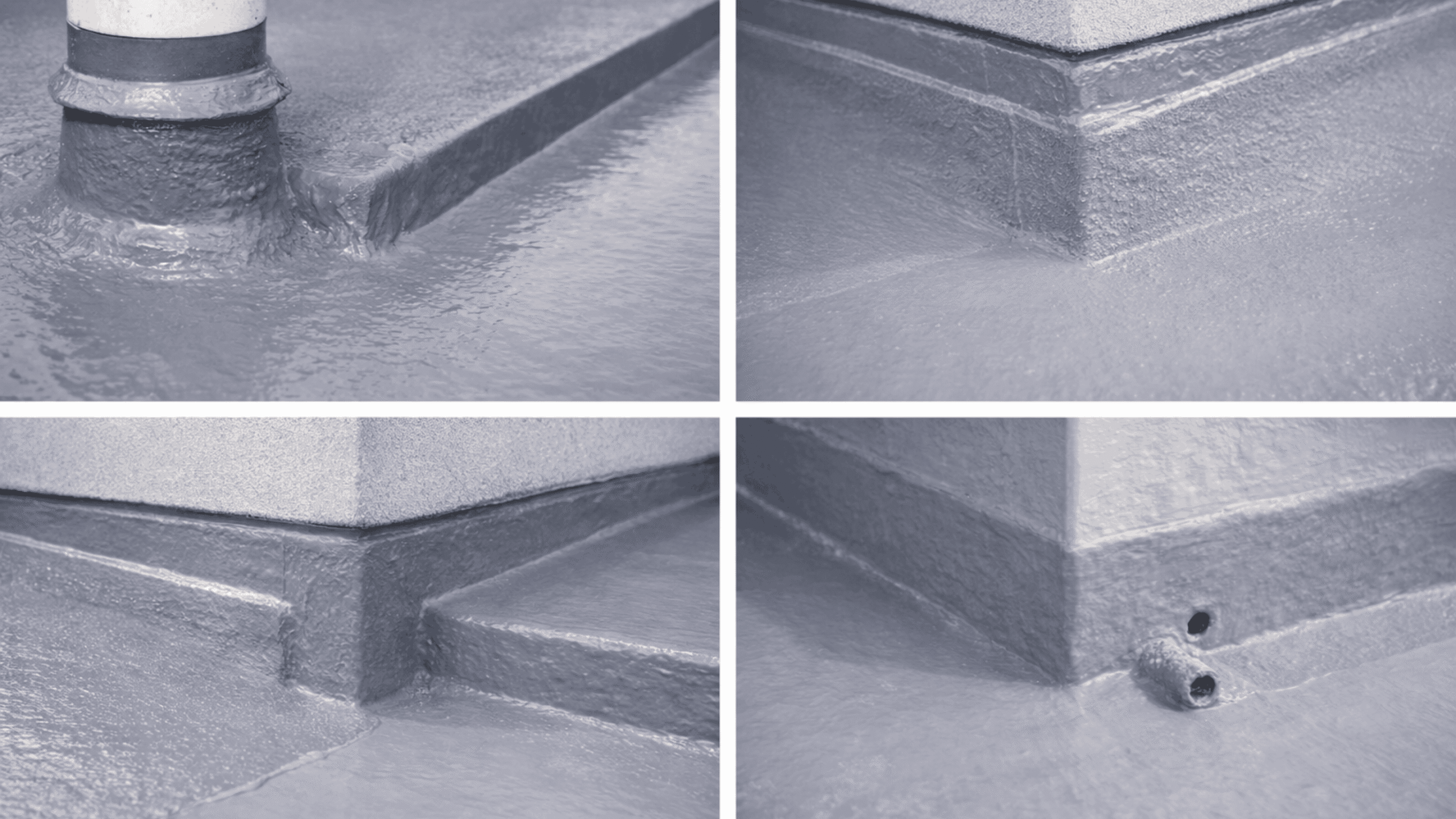
The ability to apply polyurethane membranes manually provides significant advantages across different types of projects. In areas with complex details, the liquid application system allows surfaces to be coated بسهولة and effectively.
Key advantages of manual application include:
• Easy adaptation to complex geometries
• Seamless, joint-free homogeneous coating
• Simple and efficient local repairs
• Fast application process
These features make polyurethane membranes particularly advantageous for applications such as terraces, balconies, and detailed roofing areas.
Sustainability Through Long-Lasting Waterproofing
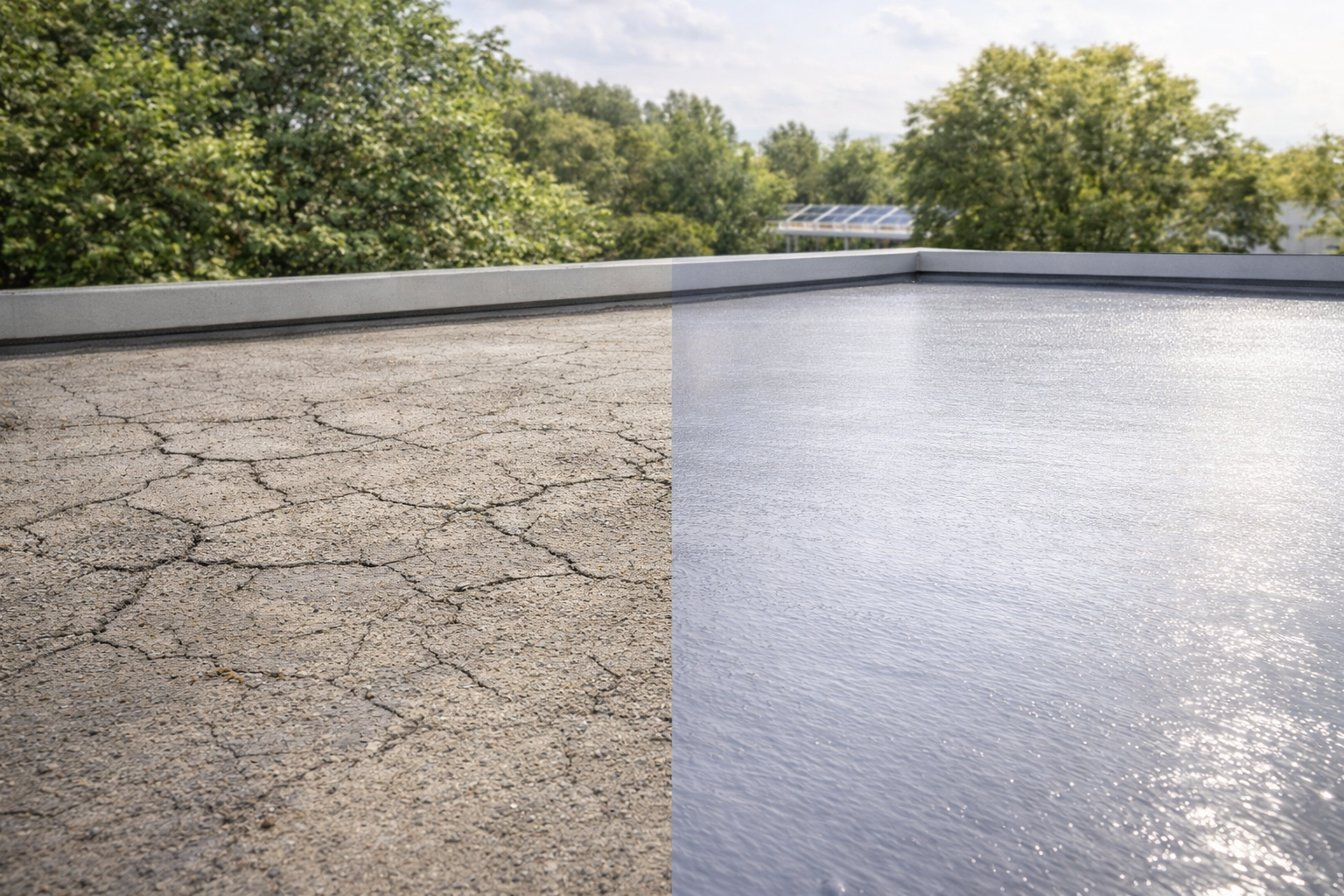
One of the core principles of sustainable construction is the use of long-lasting materials. Durable waterproofing systems extend the service life of structures while reducing the need for frequent renovations and material consumption.
Key performance advantages of polyurethane membranes include:
- High elasticity, enabling resistance to temperature fluctuations
- Crack-bridging capability to accommodate substrate movement
- Resistance to UV exposure and environmental conditions
- Seamless, fully impermeable structure
These features help protect structures over a longer period, contributing to sustainable building goals. This approach also supports reducing the environmental impact of building materials from a Life Cycle Assessment (LCA) perspective.
Environmentally Friendly Technology with Low VOC Content
Next-generation polyurethane membrane technologies are developed with formulations aimed at reducing environmental impact. In particular, products with low solvent content and low emissions offer significant advantages for both the environment and user health.
Reducing VOC (Volatile Organic Compound) emissions, a key factor in this context, is becoming increasingly important in sustainable construction practices.
Low-VOC polyurethane membranes provide the following benefits:
- Reduced environmental impact
- Safer working conditions during application
- Preservation of indoor air quality
These features are also important for sustainable building certification systems. For example, green building rating systems such as LEED Certification include criteria that encourage the use of environmentally friendly materials.
An Economical and Sustainable Waterproofing Solution
Polyurethane membrane waterproofing offers a solution that is both economical and sustainable, thanks to its high performance, ease of manual application, and no requirement for specialized machinery.
Key advantages include:
- Application without the need for machinery
- Low application costs
- Long-lasting performance
- Minimal maintenance requirements
- Environmentally friendly formulation options
With these benefits, polyurethane membrane systems stand out as a practical and sustainable waterproofing solution for both small-scale projects and large construction applications.
Waterproofing with KIMcase KIMcoat MC 400
Polyurethane membrane technology stands out among waterproofing solutions by offering both durability and ease of application. One of the systems developed in this field, KIMcoat MC 400, is a single-component, polyurethane-based waterproofing membrane.
The product cures by reacting with moisture in the air, forming a thick, elastic, and durable film layer on the applied surface. This creates a seamless waterproofing layer that provides long-lasting protection.
Its single-component structure and suitability for manual application offer practical use for both small-scale projects and large surface areas.
Application Areas:
KIMcase KIMcoat MC 400 can be used for waterproofing across various types of structures, including:
- Irrigation channels
- Terraces, verandas, and balconies
- Wet areas under coverings (such as bathrooms and kitchens)
- Gypsum and cement-based panels
- Lightweight metal or fiber cement roofs
- Indoor and outdoor applications
- Bridge platforms
- Stadium stands
Thanks to its flexible structure, it adapts to different surfaces, helping protect buildings against water ingress and extend their service life.
For more information about our KIMcase Coating Systems, please click here.