The reality of earthquakes is directing structural design toward a holistic performance approach that extends beyond calculations of load-bearing systems alone. Seismic forces acting on a structure during an earthquake are directly related to the building’s mass. The heavier the structure, the greater the inertial forces it is subjected to. For this reason, modern engineering practice seeks resilience not only in column and beam dimensions, but also in optimizing overall building weight, reducing the load of façade and roofing systems, and maintaining surface continuity.
Polyurethane-based sandwich panel systems and polyurea coatings stand out at this point as solutions that do not replace the load-bearing system but complement overall building performance. Properties such as lightness, mechanical strength, elasticity, and water impermeability are among the parameters that influence structural behavior during and after an earthquake.
In this article, we examine the role of lightweight structural systems from an earthquake performance perspective and address the technical contributions of polyurethane solutions on a scientific basis.
How Do Lightweight Structural Systems Influence Earthquake Performance?
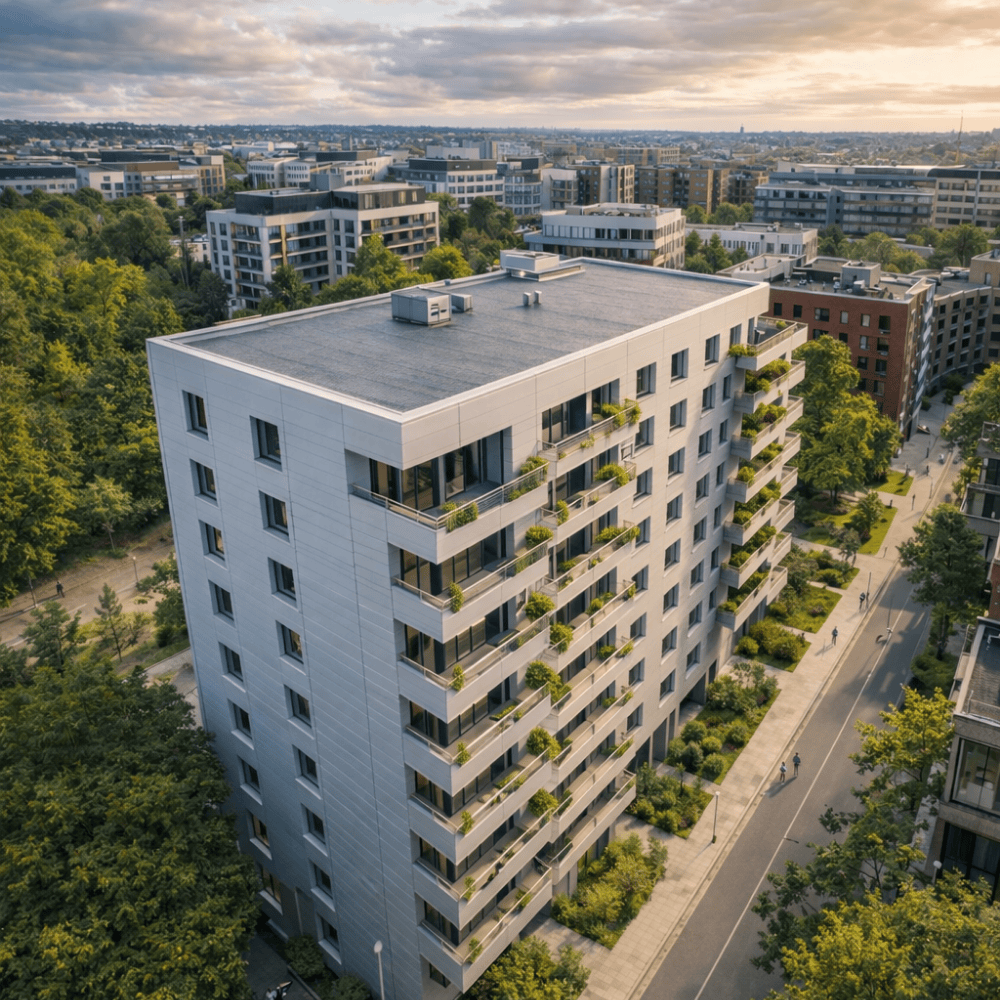
Horizontal inertial forces generated during an earthquake are directly proportional to the mass of the structure. For this reason, the use of lightweight yet mechanically adequate materials in non-load-bearing elements such as roofs and façades reduces the overall weight of the building.
In particular, replacing heavy cladding and infill systems in upper stories with lighter alternatives can help decrease internal forces, overturning moments, and interstory drift demands. This approach does not substitute for proper load-bearing system design; however, mass optimization serves as a complementary strategy that contributes to improved seismic performance.
The Importance of Material Selection in Performance-Based Design
Performance-based design aims not only to prevent structural collapse but also to predict the level of damage a building is expected to sustain under different earthquake intensities. For this reason, material selection is evaluated not solely in terms of strength, but also based on criteria such as weight, ductility, energy dissipation capacity, connection behavior, and durability.
Even non-load-bearing elements can influence the overall structural performance due to the drifts and accelerations generated during an earthquake. Therefore, materials with low density yet sufficient mechanical strength are regarded as engineering-oriented choices that facilitate the achievement of defined performance objectives.
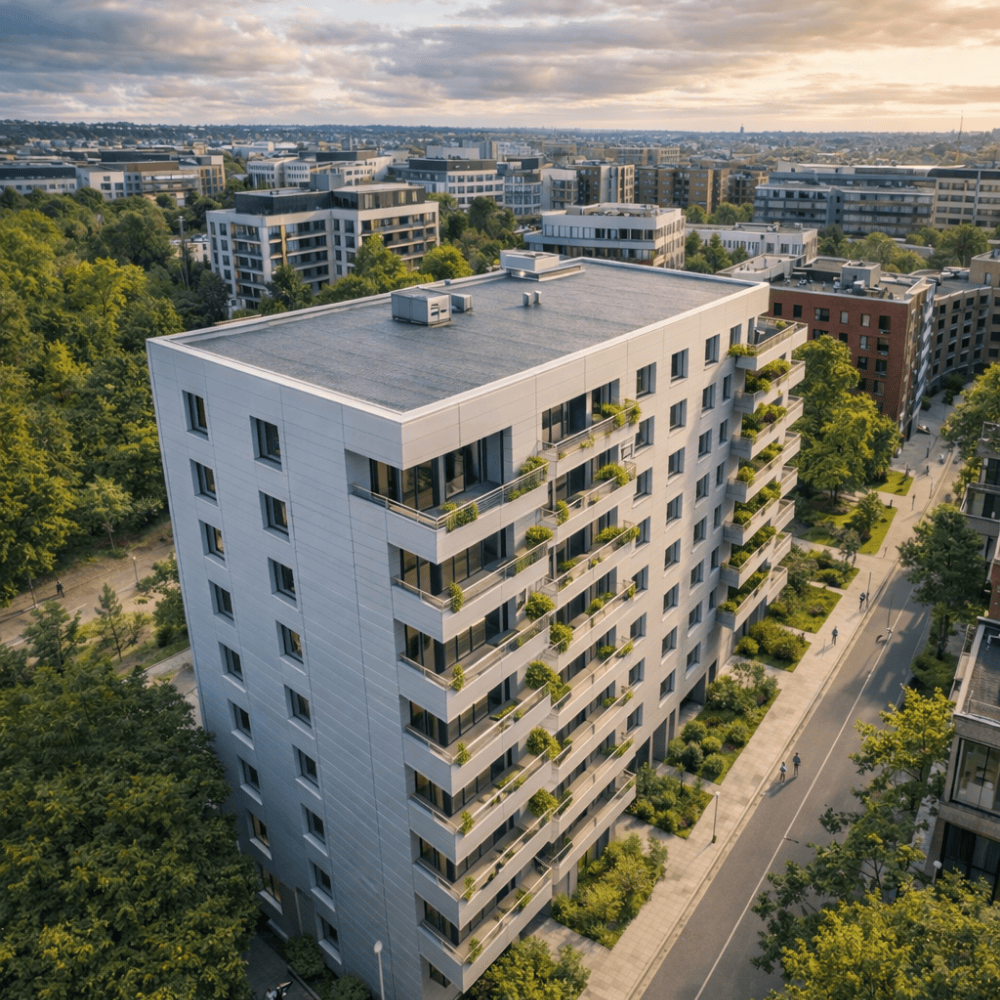
Polyurethane Sandwich Panel Systems: Solutions That Reduce Structural Weight
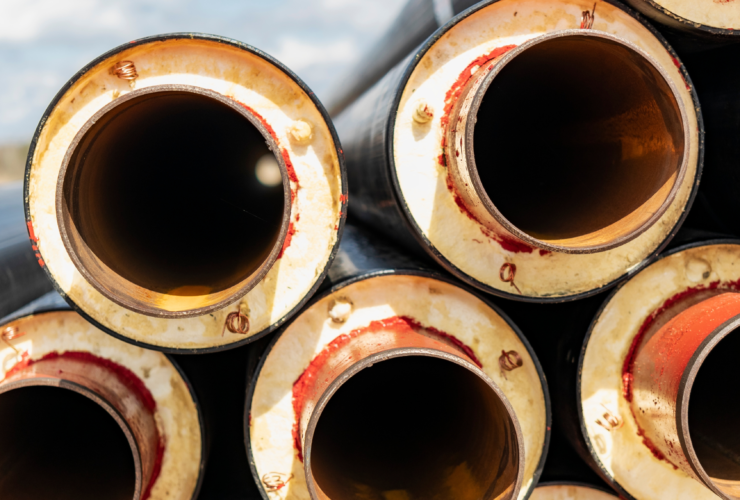
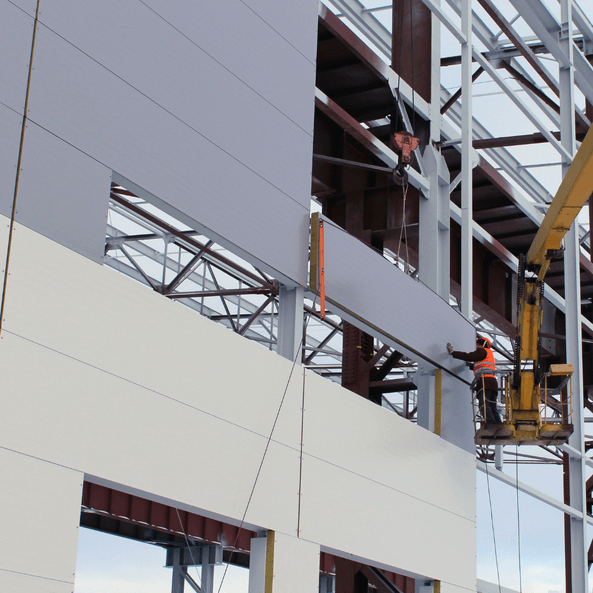
Polyurethane sandwich panel systems are composite building elements that combine lightness with mechanical performance. The rigid polyurethane foam core positioned between two metal facings provides high compressive strength and shear resistance despite its low density; thus, the panel can deliver a high load-bearing capacity relative to its own weight.
Particularly in roof and façade applications, offering a lower unit weight compared to conventional heavy infill systems can contribute to balancing seismic demand by reducing the overall mass of the structure. What is decisive here is not merely their “lightweight” nature, but the proper engineering of technical parameters such as core density, adhesion performance, and dimensional stability.
Polyurethane-based panel systems are among the solutions that indirectly contribute to earthquake performance by enabling weight control and maintaining integrity within the building envelope.
The Relationship Between Density and Mechanical Strength in Sandwich Panel Systems
One of the key factors determining performance in sandwich panel systems is the balance between the density of the polyurethane core and its mechanical strength. While an increase in density generally has a positive effect on strength, it also raises the unit weight of the panel, requiring a different evaluation in terms of overall structural mass. Therefore, the objective is not to achieve the “highest possible density,” but to define the optimum density range that provides the required performance for the specific application.
From a technical perspective, this relationship can be summarized under the following headings:
• Compressive strength: As density increases, the core’s resistance to deformation under load generally improves.
• Shear strength: Density can directly influence the panel’s behavior and stiffness under shear effects.
• Unit weight: Since higher density increases panel weight, it must be carefully evaluated in designs where mass optimization is a priority.
• Adhesion performance: The bond between the metal facings and the polyurethane core is a critical parameter that determines the composite behavior of the panel.
• Manufacturing and process control: Even at the same target density, process conditions and formulation stability may lead to variations in mechanical performance.
In conclusion, the density–strength relationship in sandwich panel applications is a strategic engineering parameter that must be assessed not only in terms of strength, but also in conjunction with weight, stability, and overall system integrity.
The Structural Contribution of Lightweight Roof and Façade Systems in Industrial Buildings
In industrial buildings, roof and façade systems are among the key elements influencing structural behavior during an earthquake. Particularly in wide-span steel structures, increased weight at roof level can amplify inertial forces and overturning moments generated during seismic events. For this reason, lightweight roof and façade solutions should be evaluated not only in terms of ease of application, but also from a mass optimization perspective.
In practice, their contribution becomes evident under the following aspects:
• Mass reduction: Lower unit weight can indirectly reduce the seismic demand imposed on the structure during an earthquake.
• Adequate stiffness and strength: Systems such as polyurethane core sandwich panels can be engineered to provide specific mechanical performance levels despite their low density.
• Connection detailing: Properly designed panel-to-structure connections directly influence load transfer under earthquake and wind effects.
• Envelope integrity: The continuity of roof and façade systems may serve as a secondary performance parameter affecting overall structural behavior.
In conclusion, lightweight roof and façade systems do not replace the load-bearing system; however, in industrial buildings, they can provide complementary contributions to earthquake performance through effective weight management and enhanced building envelope performance.
KIMrigid® Sandwich Panel Systems are polyurethane system solutions designed to support such performance expectations in sandwich panel applications, offering options that contribute to the complementary performance of the building envelope.
Click here for detailed information about our KIMrigid® Sandwich Panel Systems
Floor Coating Systems: Elastic Protection Solutions for Concrete Surfaces
Although concrete is a structural material with high compressive strength, it is vulnerable to tensile stresses and crack formation. Dynamic loads and interstory relative displacements generated during an earthquake may create conditions that lead to the formation of microcracks, particularly at surface level.
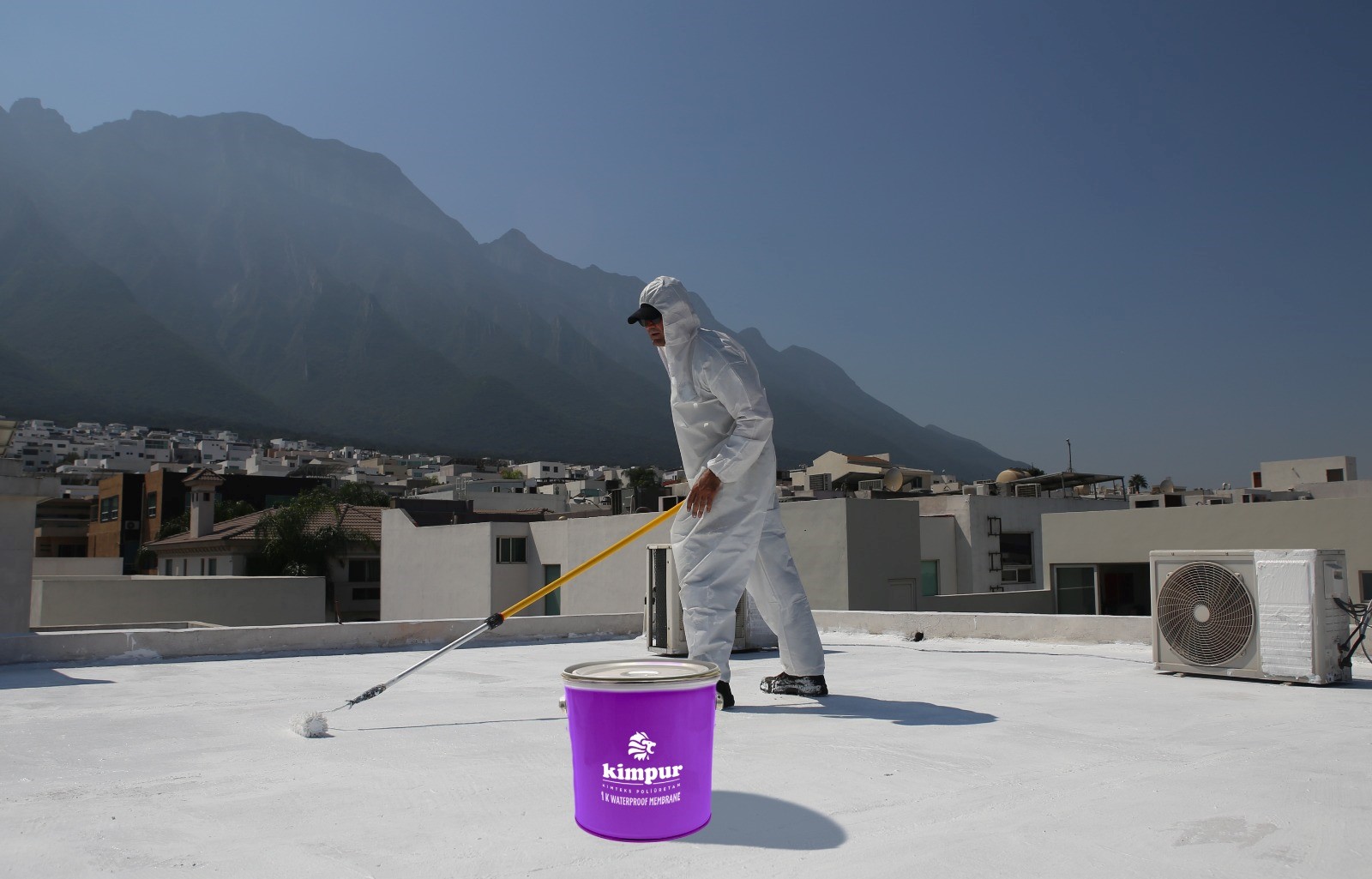
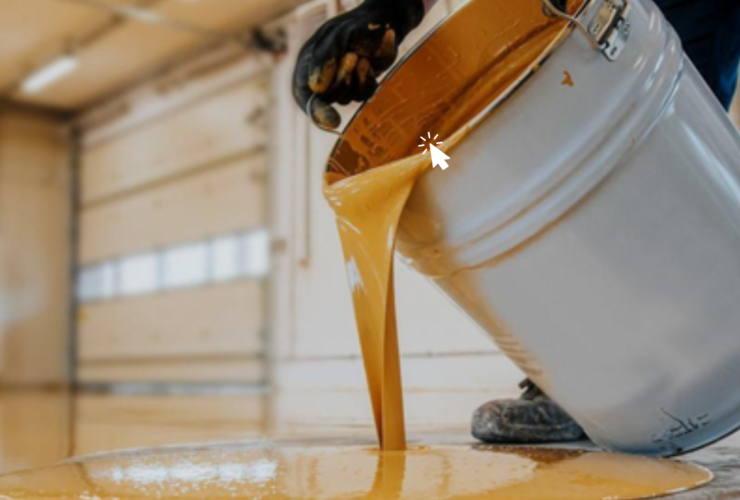
Waterproofing coating systems form a continuous protective layer on concrete surfaces thanks to their high elasticity and resistance to hydrolysis. Elastomeric coatings with high elongation capacity can help maintain surface continuity by bridging cracks up to certain widths. In addition, their joint-free application enables the formation of a seamless, impermeable membrane.
Waterproofing does not directly prevent earthquakes; however, by preserving the long-term durability of the structure, it contributes to enhancing overall resilience against seismic effects.
Floor coating systems are not designed for structural strengthening purposes. Nevertheless, in terms of protecting concrete surfaces and extending service life, they are considered technical solutions that complement overall building performance.
Post-Earthquake Secondary Damage Risks and the Importance of Waterproofing Systems
After an earthquake, risks often do not end with the “visible” damage. The more critical issues may emerge over time through secondary effects triggered by minor openings. Seismic shaking can cause microcracks, joint separations, and coating delamination. Although such defects may not appear critical at first glance, they can create pathways for water to penetrate structural elements.
At this point, waterproofing systems evolve beyond a matter of comfort and become a technical layer of protection essential for structural durability:
Inadequate waterproofing poses risks not only to the superstructure but also to the foundation system.
• High groundwater levels can exert hydrostatic pressure on the foundation.
• If the soil becomes saturated, its bearing capacity may decrease.
• During an earthquake, the risk of soil liquefaction may increase.
Particularly in alluvial and loose soils, buildings without proper water control measures may experience more severe damage during seismic events. In such cases:
• Water infiltration can progress through cracks and joints, reaching reinforced concrete elements.
• Moisture reaching the reinforcement can initiate corrosion, leading over time to cross-sectional loss and reduced structural capacity.
• Therefore, adhesion performance and elastic behavior of waterproofing systems should be considered as key performance criteria in pre-earthquake evaluations.
In summary, the integrity of waterproofing plays a significant role in preserving service life and limiting secondary damage risks.
At this stage, selecting the appropriate system—rather than relying on a single product—becomes critical. Surface condition, expected crack movement, anticipated water/moisture exposure, and detailing points should be assessed together. The KIMcase® Special Solutions portfolio is structured to offer project-specific options through polyurea, membrane, and various surface protection systems tailored to application requirements.
Click here for detailed information about KIMcase® Special Solutions.